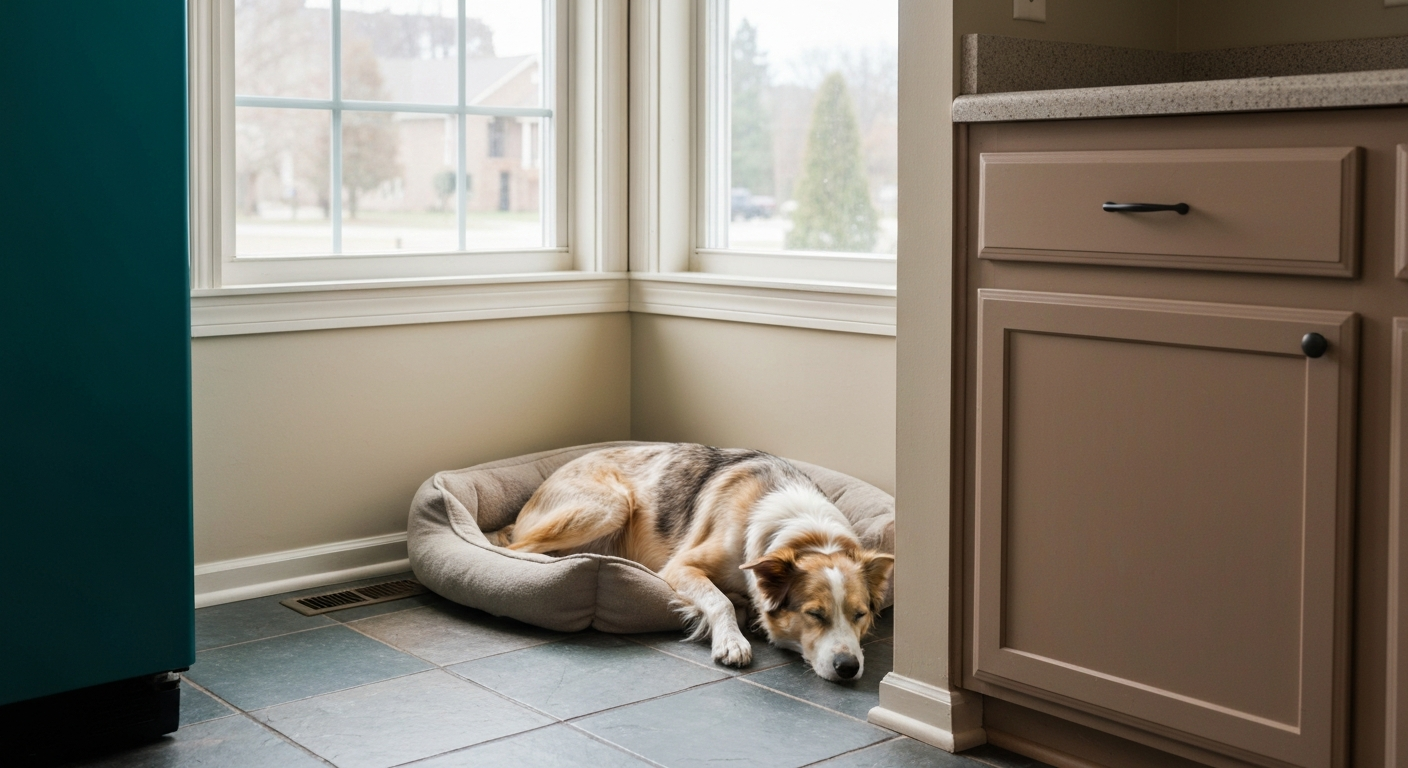
Best Emotional Support Animals for Kansas Apartments — A Clinician-Vetted Lineup
Choosing an emotional support animal is one of the most personal decisions a person can make on their mental-health journey — and when you live in a Kansas apartment, that decision carries a practical dimension that deserves careful, clinician-informed thought. The right animal can meaningfully complement a therapeutic plan for anxiety, depression, PTSD, and a range of other qualifying conditions; the wrong choice for your living situation can create friction with landlords, neighbors, and even the animal itself.
This guide was developed in consultation with the clinical framework that licensed mental health professionals (LMHPs) in Kansas use when evaluating whether an emotional support animal is therapeutically appropriate for a client. It draws on HUD's governing notice, FHEO-2020-01 (Assessing a Person's Request to Have an Animal as a Reasonable Accommodation Under the Fair Housing Act), which remains the federal authority for ESA housing protections — including the right of a person with a documented disability-related need to request a reasonable accommodation at a Kansas apartment that otherwise enforces a no-pets policy. Each animal on this list has been assessed through the lens of temperament, noise profile, space requirements, allergen considerations, and the realistic caregiving capacity of someone managing a mental-health condition.
Whether you are just beginning to explore whether an ESA might be right for you, or you are actively working with a Kansas-licensed clinician toward an ESA letter for FHA housing, read on. This is not a prescriptive list — only a licensed mental health professional can determine whether an ESA is therapeutically appropriate for your individual situation — but it is the most grounded, compliance-aware overview of apartment-friendly ESAs in Kansas you will find.
Disclaimer: This article is informational only and does not constitute medical, mental-health, or legal advice. It does not diagnose any condition, guarantee ESA letter approval, or replace the individualized assessment of a licensed mental health professional. For housing disputes, consult a Kansas-licensed attorney or contact your local legal aid office. For clinical guidance, speak with a licensed clinician in Kansas.
How Kansas Apartments and the FHA Work Together
Before we get to the lineup, a brief but important orientation. Under the Fair Housing Act and HUD's FHEO-2020-01 guidance, Kansas landlords — including most private landlords, apartment complexes, and housing associations — are generally required to consider a reasonable accommodation request from a tenant whose disability-related need is documented by an LMHP licensed in the same state as the client. This means that a "no pets" policy does not automatically apply to an ESA when proper documentation is in place. The accommodation is not automatic, however; the landlord has a right to review the documentation and may ask limited, HUD-prescribed clarifying questions.
The documentation that triggers this protection is an ESA letter from a licensed mental health professional — not an online registry certificate, not an "ESA ID card," and not a laminated wallet card purchased from a website. HUD has explicitly confirmed that online ESA registries carry no legal weight. A legitimate ESA letter is written on the clinician's letterhead, references the clinician's Kansas license number, and attests that the client has a disability-related need for the animal as an accommodation. If you are unsure whether your documentation meets this standard, review our Kansas FHA housing letter guide before presenting anything to a landlord.
With that foundation in place, here are the ten best emotional support animals for Kansas apartment living — ranked not by personal preference, but by clinical and practical suitability.
The Clinician-Vetted Lineup
1. Dogs (Select Apartment-Appropriate Breeds)
Dogs remain the most commonly recommended ESA in clinical practice, and for good reason: the human–canine bond is among the most thoroughly researched therapeutic relationships in behavioral health literature. The tactile comfort, routine structure, and unconditional responsiveness of a dog can be profoundly stabilizing for individuals managing anxiety disorders, major depressive disorder, PTSD, and similar conditions. Many people who may qualify for an ESA find that the daily rhythm of caring for a dog — feeding, walking, grooming — itself functions as a behavioral activation strategy that clinicians often recommend as part of a broader treatment plan.
In a Kansas apartment context, however, not all dogs are equally suitable. Breed, size, temperament, and energy level matter enormously. High-energy working breeds confined to a small space without adequate exercise can develop destructive or anxiety-related behaviors of their own, which is counterproductive to the therapeutic goal. Clinicians and experienced owners tend to favor breeds with lower exercise thresholds and quieter temperaments for apartment living — Cavalier King Charles Spaniels, French Bulldogs, Basset Hounds, and Shih Tzus are frequently cited examples — though individual temperament always outweighs breed generalizations. Kansas landlords are also permitted under FHA guidelines to ask whether the specific animal poses a direct threat, so a dog with a documented bite history may complicate the accommodation request regardless of its ESA status.
It is worth noting that Kansas does not have a breed-specific ESA prohibition at the state level, though some municipalities and individual lease agreements may include breed restrictions. HUD's guidance suggests that breed restrictions applied categorically to ESAs may themselves raise FHA concerns, but navigating that terrain requires the advice of a Kansas-licensed attorney if a dispute arises. For a deeper dive into apartment-appropriate canine options, see our guide to ESA dogs and best breeds for Kansas apartments.
Practical Takeaway: If a dog is part of your therapeutic consideration, work with your Kansas-licensed clinician to document the specific functional role the animal plays in managing your condition. Generic language weakens an ESA letter; specific, individualized clinical reasoning strengthens it.
2. Cats
Cats are arguably the most naturally apartment-adapted ESA on this list. Their space requirements are modest, their noise profile is low (with some breed-specific exceptions), and their independent temperament means they are generally less distressed by a caregiver's irregular schedule — a real consideration for individuals whose mental-health conditions may affect sleep patterns, motivation, or daily consistency. Research into the therapeutic value of cat ownership points to measurable reductions in cortisol levels and cardiovascular stress markers among cat owners, lending some empirical support to what many people intuitively know: the weight of a purring cat is genuinely calming.
From a landlord-relations perspective, cats are among the least contentious ESA choices. They are quiet enough that neighbors in adjacent units rarely register a complaint, and their indoor-only lifestyle means they do not create the exterior-space issues that larger animals sometimes do. Breed considerations are relevant here too: high-energy breeds like Bengals or Abyssinians may be less well-suited to small spaces than quieter, more companionable breeds such as Ragdolls, British Shorthairs, or Scottish Folds. Allergen management is also a genuine landlord concern; while FHA requires landlords to consider reasonable accommodations, a well-documented hypoallergenic-tendency breed (such as a Siberian or Balinese) may smooth the accommodation conversation.
For individuals exploring the emotional support potential of feline companionship, our detailed resource on ESA cats as quiet companions in Kansas covers breed profiles, Kansas-specific accommodation considerations, and what to expect from the clinical evaluation process.
Practical Takeaway: Cats pair exceptionally well with apartment living in Kansas. When presenting your ESA letter to a landlord, include (if clinically appropriate) a note about the animal's indoor-only status — this proactively addresses common landlord concerns before they become objections.
3. Rabbits
Rabbits occupy a genuinely underrated position in the emotional support animal conversation. For individuals whose therapeutic needs center on gentle tactile comfort, calming routine, and a quiet, non-demanding companionship, rabbits can be a remarkably effective ESA option. They do not bark, they require no outdoor walks, and a well-socialized rabbit — particularly a breed such as the Holland Lop, Mini Rex, or Lionhead — will actively seek human contact and respond warmly to gentle handling. For individuals with social anxiety or sensory sensitivities who find dogs overstimulating, the quieter rhythm of rabbit ownership can be genuinely therapeutic.
From a Kansas apartment standpoint, rabbits are practically ideal. Their space footprint is small, their allergen profile is significantly lower than that of cats or dogs for most people, and their noise output is nearly negligible outside of occasional thumping — which rarely travels through apartment walls. Rabbits do require thoughtful care: they need a properly sized enclosure, daily exercise outside the cage, a hay-based diet, and regular veterinary attention. These caregiving responsibilities, when manageable, can themselves serve a therapeutic function by providing structure and purpose — both clinically relevant in the treatment of depression and anxiety.
Kansas landlords who are unfamiliar with rabbits as ESAs sometimes express initial hesitation, which is where the quality of your ESA documentation matters most. A letter from a Kansas-licensed clinician that clearly articulates the individualized therapeutic rationale for the rabbit as your specific ESA carries far more weight than a generic accommodation request. For a comprehensive review of rabbits as an ESA option, explore our resource on rabbits as emotional support animals in Kansas.
Practical Takeaway: Rabbit-based ESA accommodations are legally supported under the FHA when properly documented, but you may need to educate your landlord. Arrive prepared with your clinician-issued ESA letter and, if helpful, a brief factual summary of FHA FHEO-2020-01 protections.
4. Guinea Pigs
Guinea pigs have a longer clinical history as therapeutic animals than most people realize. They are among the most commonly used animals in animal-assisted therapy settings precisely because of their gentle disposition, soft vocalizations, and tolerance for being held by individuals of varying temperament and experience. The characteristic "purring" and chirping sounds of a content guinea pig have a demonstrably soothing effect on many people, and their social nature — guinea pigs are herd animals and fare best in pairs — means that caregiving for them can foster a sense of nurturing connection that is therapeutically meaningful.
For apartment dwellers in Kansas, guinea pigs present virtually no practical concerns for neighbors or building management. They are quiet, contained, and leave no outdoor footprint. Their care requirements are moderate and predictable, which suits individuals who benefit from routine without the intensity of dog ownership. Kansas landlords rarely raise objections to guinea pigs specifically, though the same FHA protections apply regardless: the ESA letter requirement is the same for a guinea pig as it is for a Great Dane.
One clinical consideration worth discussing with your LMHP: guinea pigs have relatively short lifespans (four to seven years typically), and for individuals who have experienced significant loss or grief, the anticipatory reality of that lifespan may be a factor in the clinical discussion about therapeutic appropriateness. A good Kansas-licensed clinician will explore these dimensions with you individually.
Practical Takeaway: Guinea pigs are among the most landlord-friendly ESA options available. Their low profile and gentle nature make accommodation requests straightforward — provided the ESA letter is clinician-issued and Kansas-compliant.
5. Birds (Select Species)
The therapeutic relationship between humans and birds is ancient and well-documented, and for certain individuals, the specific qualities of avian companionship — the responsiveness to voice, the mimicry, the visual engagement — provide a form of emotional stimulation and connection that other animals cannot replicate. Cockatiels, budgerigars (budgies), and lovebirds are the species most commonly considered in apartment ESA contexts, owing to their manageable size, their capacity for human bonding, and their relatively contained noise profiles compared to larger parrots.
In a Kansas apartment setting, noise management is the central consideration with birds. Some species — African Greys, Cockatoos, and Amazons among them — produce vocalizations that are genuinely disruptive to neighbors, and a landlord objection on direct-threat or nuisance grounds is more defensible when the animal creates persistent disturbances. Smaller species kept in appropriate housing with environmental enrichment are significantly less likely to develop the screaming behaviors associated with understimulated larger parrots. If birds are the ESA type under consideration, the clinical conversation with your Kansas-licensed mental health professional should address the realistic care requirements and any environmental stressors that might affect the animal's behavior.
It is also worth noting that some bird species — notably African Greys and certain large parrots — can live for fifty years or more. This longevity is itself a clinical consideration: the long-term continuity of care that an exceptionally long-lived bird requires may be stabilizing for some individuals and burdensome for others, depending on their clinical profile.
Practical Takeaway: If you are considering a bird as your ESA, choose a species whose noise profile is compatible with shared-wall apartment living. Document the specific therapeutic function clearly with your Kansas-licensed clinician — the more individualized the clinical reasoning, the more defensible the accommodation request.
6. Hamsters and Gerbils
Small rodents such as hamsters and gerbils are an often-overlooked but genuinely valid ESA category for individuals whose therapeutic needs are well-served by low-maintenance, calming animal interaction. The simple act of observing a hamster navigate its environment, or holding a calm gerbil, engages attentional focus in a way that many clinicians describe as a form of naturalistic mindfulness — gently drawing the individual out of ruminative thought patterns and into present-moment sensory experience.
From a Kansas apartment practicality standpoint, hamsters and gerbils are about as non-intrusive as an ESA can be. They require minimal space, produce negligible noise (hamsters are notably more active and wheel-running at night, which is worth considering for light sleepers), and create no allergen or odor concerns for neighbors when cages are maintained appropriately. Their relatively lower cost of care is also a meaningful consideration for individuals whose financial situation is itself a source of stress.
As with guinea pigs, the shorter lifespan of hamsters (two to three years) and gerbils (three to five years) is a clinical factor worth discussing during your evaluation. For individuals whose therapeutic journey involves building a stable, consistent caregiving relationship, a clinician may thoughtfully consider whether a longer-lived animal better serves the treatment goal.
Practical Takeaway: Hamsters and gerbils are among the most frictionless Kansas apartment ESA options from a landlord-relations standpoint. Ensure your ESA letter specifies the species and articulates the individualized therapeutic rationale — specificity always strengthens documentation.
7. Fish (Aquarium)
The inclusion of fish on a clinician-vetted ESA list may surprise some readers, but the evidence base here is more robust than intuition might suggest. Controlled studies — including research conducted in clinical and residential care settings — have consistently found that watching aquariums reduces physiological markers of stress, lowers blood pressure, and induces a measurable calm state that is neurologically similar to mindfulness meditation. For individuals managing anxiety, ADHD-related dysregulation, or hyperarousal symptoms associated with PTSD, an aquarium can serve as a genuine therapeutic tool.
Fish are, in practical terms, nearly ideal for Kansas apartment living. They are entirely silent, require no outdoor space, produce no allergens, and create no disturbance whatsoever for neighbors or landlords. The caregiving routine — feeding, water changes, monitoring — is structured and predictable, which has its own therapeutic value. Setup costs can range from modest to significant depending on aquarium size and species complexity, but a functional therapeutic aquarium does not require an elaborate reef system; a well-maintained freshwater tank with colorful community fish serves the purpose effectively.
Kansas landlords may occasionally question whether fish qualify for ESA accommodation under the FHA — and the answer, when supported by a clinician-issued ESA letter that articulates the individualized therapeutic function, is generally yes. HUD's FHEO-2020-01 guidance does not categorically exclude any particular species from ESA consideration; the determination rests on the documented disability-related need and the clinician's professional assessment.
Practical Takeaway: If your Kansas clinician determines that an aquarium serves a specific therapeutic function for your condition, document that determination thoroughly. The clinical rationale for fish as an ESA must be specific and individualized — "I like fish" is not a therapeutic argument; "observing the aquarium is a clinician-recommended tool for interrupting hyperarousal cycles" is.
8. Miniature Rabbits and Toy-Breed Cats (Special Consideration)
This entry addresses a nuanced but clinically important point: within any ESA species category, size and temperament subspectrum matters considerably for apartment suitability. A standard-sized Rex rabbit and a Netherland Dwarf rabbit are both rabbits — but their space requirements, handling characteristics, and energy levels differ enough to warrant separate clinical consideration for apartment living. Similarly, a Maine Coon cat and a Singapura cat are both cats, but their size, energy, and interaction styles differ substantially.
For Kansas apartment residents whose living space is particularly constrained — studio apartments, efficiency units, or shared housing situations — the miniature or toy end of any species spectrum tends to be most appropriate. This is not merely a landlord-relations consideration; it is a welfare consideration for the animal itself. An ESA that is poorly suited to its living environment may develop stress-related behavioral problems that undermine the therapeutic relationship entirely. Clinicians who specialize in animal-assisted interventions consistently emphasize that the welfare of the animal and the welfare of the person are intertwined; an anxious or distressed ESA does not effectively serve its therapeutic function.
This principle — that animal welfare and human therapeutic benefit are inseparable — is one reason why the clinical evaluation process for an ESA letter is genuinely important, not merely a bureaucratic formality. A Kansas-licensed mental health professional conducting a thorough evaluation will consider your living situation, your caregiving capacity, and the realistic needs of the proposed animal as part of the clinical picture.
Practical Takeaway: When discussing ESA options with your Kansas-licensed clinician, be specific about your apartment's size and your realistic daily caregiving capacity. This information directly informs the clinical recommendation and ultimately the therapeutic effectiveness of the ESA relationship.
9. Trained Companion Dogs (With a Note on ESA vs. PSD)
Some individuals whose therapeutic needs are more complex — or whose symptoms are more functionally limiting — may benefit from an animal that is not merely emotionally supportive but trained to perform specific tasks related to a disability. This is the territory of Psychiatric Service Dogs (PSDs) rather than ESAs, and it is important to understand the distinction. A PSD is trained to perform specific tasks that mitigate a handler's disability (interrupting a panic attack, performing deep-pressure therapy on command, guiding a dissociating individual to safety) and carries significantly broader legal protections than an ESA — including public access rights under the Americans with Disabilities Act.
We raise this distinction here because many Kansas residents who begin researching ESAs discover, through their clinical evaluation, that their functional needs may actually warrant a PSD rather than — or in addition to — a standard ESA. This is not a downgrade; it is a clinical upgrade. If your clinician identifies that task-specific training would meaningfully address your disability-related limitations in ways that untrained ESA companionship cannot, that conversation is worth having. Our guide to ESA training basics in Kansas covers the foundational behavioral skills that benefit all ESAs and touches on the pathway toward PSD certification for those for whom it may be appropriate.
For the purposes of apartment living specifically, it is worth noting that PSDs have even stronger FHA and ADA protections than ESAs, and no ESA letter is required for a PSD — the standard is the animal's task training and the handler's disability, not a clinician's letter. However, a Kansas-licensed clinician can help you determine which designation is appropriate for your situation.
Practical Takeaway: If you are considering a dog as your ESA and your therapeutic needs are complex or functionally limiting, ask your Kansas-licensed clinician whether a PSD evaluation is appropriate. The two pathways are distinct, and choosing the right one matters both legally and therapeutically.
10. Mixed-Breed Rescue Animals (The Underdog Argument)
The final entry on this list is less a species category than a therapeutic philosophy worth articulating. A significant body of research on the human–animal bond suggests that rescued animals — dogs, cats, and rabbits particularly — often develop unusually strong attachments to the humans who adopt them from shelter environments, and that the mutual rescue dynamic (the person providing the animal a home; the animal providing the person emotional support) can itself be therapeutically meaningful. For individuals managing depression, low self-worth, or a sense of purposelessness, the act of providing a vulnerable animal with safety and care can be a powerful component of the therapeutic relationship.
Kansas has a robust network of animal shelters and rescue organizations — from the Kansas Humane Society in Wichita to rescue networks across Lawrence, Topeka, and Kansas City — and many of these organizations work with individuals who are seeking apartment-appropriate companion animals. Adopting a rescue animal does not change the ESA documentation process; the same clinician-issued ESA letter requirement applies. But the therapeutic case for a rescue animal is often a richer clinical narrative, and a Kansas-licensed mental health professional conducting your evaluation may find that the rescue context strengthens the individualized therapeutic rationale in meaningful ways.
From a practical standpoint, rescue animals of unknown breed lineage may occasionally create additional landlord friction if breed restrictions are in play — again, a terrain where a Kansas-licensed attorney's guidance can be invaluable if a dispute arises. But the FHA's protections are robust, and a well-documented ESA accommodation request supported by a legitimate clinician-issued letter is the strongest protection available to Kansas apartment renters.
Practical Takeaway: Consider your local Kansas shelter or rescue network when identifying your ESA. The mutual-rescue dynamic can enrich the therapeutic relationship — and Kansas's shelters are full of apartment-appropriate animals waiting for exactly this kind of intentional, clinician-supported match.
What Makes an ESA Letter Legitimate in Kansas?
Across all ten options above, one constant applies: the legal and therapeutic validity of your ESA accommodation rests entirely on the quality of your ESA letter. In Kansas, a legitimate ESA letter must be issued by a licensed mental health professional — such as a Licensed Clinical Social Worker (LCSW), Licensed Marriage and Family Therapist (LMFT), Licensed Professional Counselor (LPC), psychologist, or psychiatrist — who is licensed in Kansas and has conducted an individualized clinical evaluation of your specific situation. The letter must reference the clinician's license number, be written on professional letterhead, and articulate the individualized disability-related need for the ESA.
Online registries, ESA ID cards, and certificate services that charge a flat fee for instant documentation without a genuine clinical evaluation are not legitimate under HUD's framework — and presenting fraudulent documentation to a Kansas landlord may itself create legal complications for the tenant. The investment in a proper evaluation by a qualified Kansas-licensed clinician is not merely a legal formality; it is the foundation of a therapeutic relationship that actually serves your mental health.
For a comprehensive guide to the FHA documentation process, Kansas landlord rights and responsibilities, and what to expect from a legitimate ESA letter evaluation, visit our Kansas ESA housing letter and FHA guide.
Beginning Your Kansas ESA Journey
If this list has helped clarify which type of animal might complement your therapeutic goals, the natural next step is a conversation with a Kansas-licensed mental health professional. That clinician — not a website, not a registry, and not a flat-fee online service — will determine whether an ESA is therapeutically appropriate for your individual situation, which animal is the best fit for your clinical profile and living circumstances, and what the ESA letter should specifically articulate to maximize its effectiveness as a housing accommodation document.
Kansas apartment living and emotional support animal ownership are entirely compatible when approached thoughtfully, clinically, and with full awareness of the FHA protections available to you. The animals on this list represent a range of temperaments, care profiles, and therapeutic modalities — and the right choice is the one that a qualified clinician, who knows your situation, helps you make.
Ready to take the next step? Learn about the Kansas ESA letter process and connect with a licensed Kansas clinician who can evaluate whether an emotional support animal is the right addition to your mental-health care plan.
Disclaimer: This article is provided for informational purposes only. It does not constitute medical advice, mental-health advice, or legal advice, and it does not establish a clinician-client relationship. No content on this page should be construed as a diagnosis, a guarantee of ESA letter approval, or a representation that any individual will qualify for an ESA. ESA letter approval is determined individually by a licensed mental health professional following a clinical evaluation. For housing disputes involving ESA accommodations, consult a Kansas-licensed attorney or contact your local legal aid office. Always review your state's specific rules with a qualified professional.
Ready to start your Kansas ESA letter?
Licensed Kansas clinician review. Compliant with state law.
Get My Kansas ESA Letter